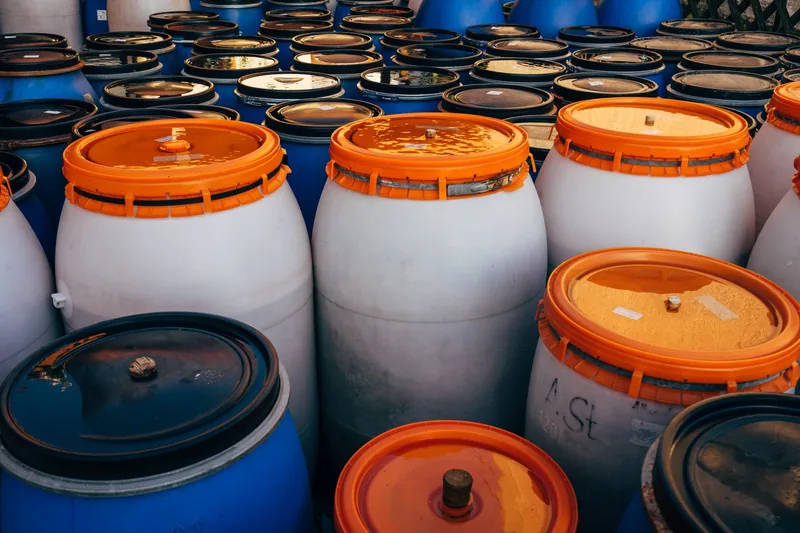
Hazmat Cleanup
Protective equipment suited to hazardous materials is used during hazmat cleanup.
See hazmat cleanupGet tear gas and pepper spray residue removed from a home, apartment, rental, vehicle or business after the property is released. Cleanup can include surfaces, contents, filters, vents and affected porous materials.
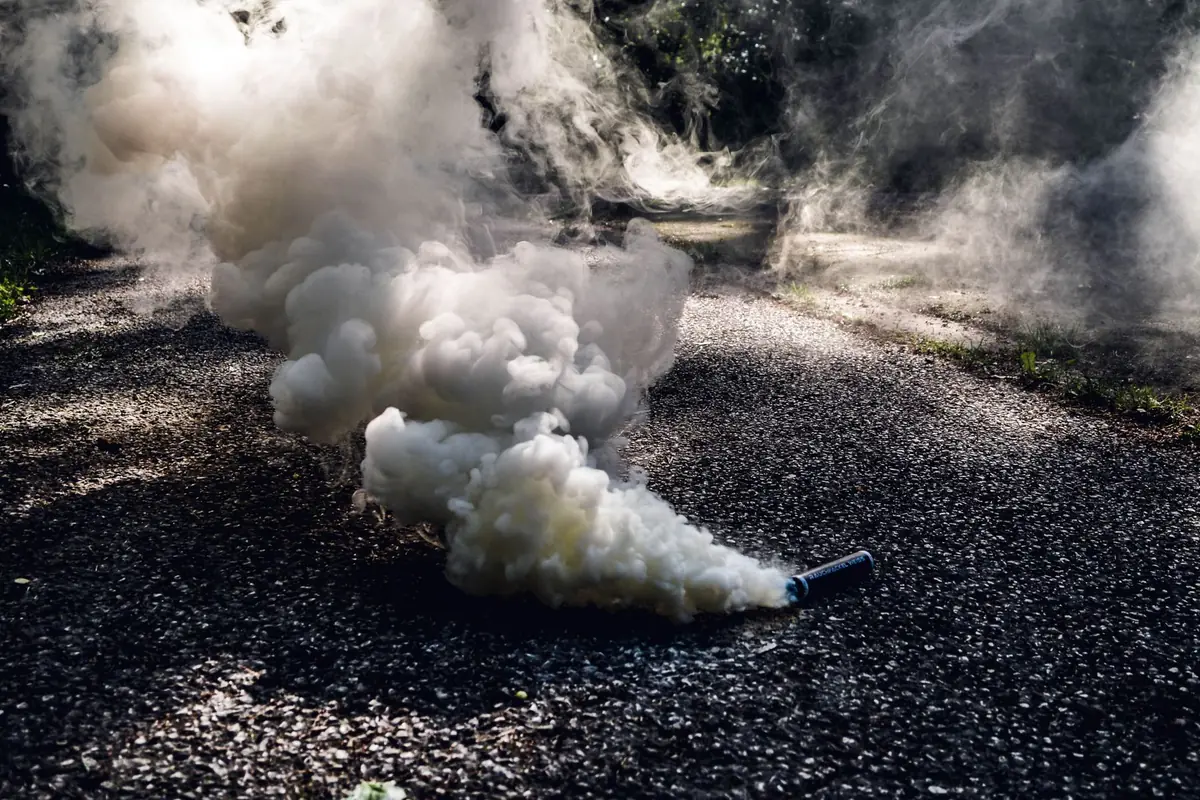
Tear gas cleanup is the controlled removal of chemical irritant residue after law enforcement action, crowd-control exposure or pepper spray use inside a home, rental, vehicle or business.
Fine particles can stay on personal belongings, furniture, counters, flooring and walls even after visible smoke is gone. Nearby materials may also hold a film from pepper spray. Residue can reach places outside the original release when someone walks through the space, carries items away or turns on the air system.
Professional cleaning services start by identifying the affected areas and the product used when that information is available. Trained technicians separate work zones, wear protective equipment, remove loose particles, wash compatible surfaces in a controlled order and repeat cleaning when residue remains. The entire process also considers ventilation, filters, ducts, soft materials and items that are difficult to wash. When blood or bodily fluids are also present, the scope may include biohazard remediation.
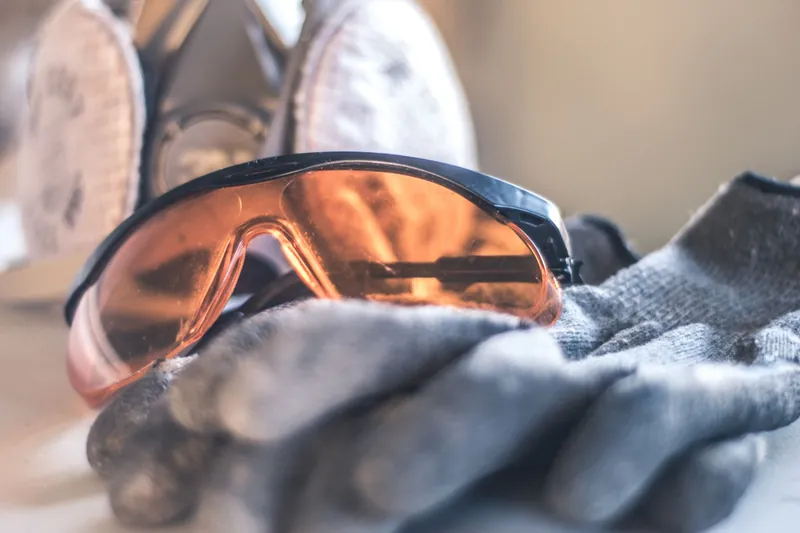
Calls are answered overnight and during the day, and unmarked vehicles help crews respect your privacy in a stressful time.
Before the cleaning process starts, the scope identifies every included room, surface, belonging and air-system component so you can compare the proposed work and decide with clearer information.
The affected area stays divided from clean pathways, reducing spread into surrounding rooms as cleanup technicians relocate equipment and materials.
After personal property is grouped by material type and condition, you can see whether each item needs cleaning, separation or removal.
When chemical irritants have settled within a vehicle or occupied building, tear gas removal is needed. The work must be scoped according to every place the material reached. Common examples are:
Controlled cleaning is needed before safe normal use can be considered for an office, store, public building or warehouse.
Surfaces disturbed after incomplete cleaning may release odor or dust and cause eye irritation because some affected material was missed.
Residue in one unit may have reached a shared hallway, ventilation opening or neighboring space and needs a defined cleaning scope.
A self-defense spray was released in a bedroom, hallway or living area and residue reached nearby surfaces and belongings.
Protect yourself by exiting the exposure area and avoiding actions that may spread the irritant. Ask loved ones to stay clear and give trained professionals an account of what happened. Take the following steps ahead of cleanup:
Call (888) 351-0904Published guidance at crimescenecleanup.com shows commercial property cleanup ranging from $10,000 to $50,000 in cost, small apartment work ranging from $1,500 to $4,000 in cost and a single-family home ranging from $3,000 to $10,000 in cost. No published range serves as a quote. Factors determining the final scope include building size, air-system involvement, affected material types, how long ago exposure occurred and the cleaning rounds that must be completed.
These national ranges are taken from published cost guides, rather than a property visit. You learn what your property will cost after the on-site assessment and before any work begins.
Ask about cost: (888) 351-0904Coverage for tear gas cleanup may be available through insurance. It depends on the cause, policy language and any exclusions. Report the loss, and request that the insurance company decide coverage using your particular claim.
Ask whether the policy covers chemical residue cleanup, damaged building materials, personal property, air-system work and temporary housing while the affected area is closed.
Organize the police release, incident number, photographs, cleanup plan, materials list, receipts and disposal documentation together. This record can support insurance assistance and help you move forward with the claim.
Ask about cleanup aid if the incident resulted from a crime that meets program requirements. The Wisconsin Department of Justice Crime Victim Compensation Program lists crime scene cleanup among covered costs, so victims of violent crime can ask about including it in a claim. Insurance is usually checked first.
The landlord or property manager typically coordinates a rental property's evaluation and cleanup. Responsibility for the bill can depend on the lease, policy language and circumstances.
Cleanup moves in a controlled order, beginning after the property is released and ending with the final inspection. Decisions throughout the work reflect which rooms were exposed, what materials they contain and how air circulated through the structure.
The affected area, release location, residue paths, HVAC layout, exposed contents and incident damage are mapped by cleanup technicians.
Your scope identifies isolation areas, cleaning surfaces, belongings for relocation, filters needing attention and any material that could require removal.
Barriers distinguish the cleaning zones from clean areas, and technicians choose protective clothing, breathing protection, gloves and eye protection for the conditions.
Loose residue is collected with controlled methods that limit airborne dust. Technicians begin on upper surfaces, move down to flooring and work from cleaner boundaries into the release zone.
Technicians wet-clean compatible surfaces, including cabinets, ceilings, fixtures, floors and walls, in detail. More cleaning rounds are completed if irritation or film remains.
To avoid spreading residue or harming materials unnecessarily, technicians choose methods suited to each washable content item and hard-surface finish.
If the system operated during or following the release, the check includes filters, accessible HVAC surfaces, supply vents and return openings.
Technicians inspect connected spaces, cleaned contents and rooms for any missed deposits, odor that remains or areas needing repeat cleaning.
Call any hour. A specialist in tear gas and pepper spray cleanup takes your call, explains each step and agrees on a start time with you.
Residue left by pepper spray or tear gas may irritate the skin, eyes and breathing passages again once affected material or contaminated dust is moved. Direct questions about severe health concerns to a medical professional.
Residue may travel outside the release room through open doors, people walking and HVAC operation. The check should account for adjacent pathways and return-air openings.
Fine particles can remain on shelves, floors, trim and hidden ledges after the air looks clear. Using a regular vacuum or a dry broom can send settled particles back into the air.
Contact with carpet, clothes, upholstery or other soft items can transfer residue to hands or faces. Handling these items without protective gear can cause another exposure.
Can you clean it yourself? A brief outdoor exposure and an indoor release are different situations. Never consider indoor tear gas residue ordinary dust or use fragrance to cover it. Keep access closed and do not try DIY methods. Ask for a scope covering the air system, contents and surfaces.
Cleaning can preserve durable surfaces when every deposit is accessible and the finish will not be harmed. A porous or damaged material may have to be removed if contamination remains after repeated attempts to clean it.
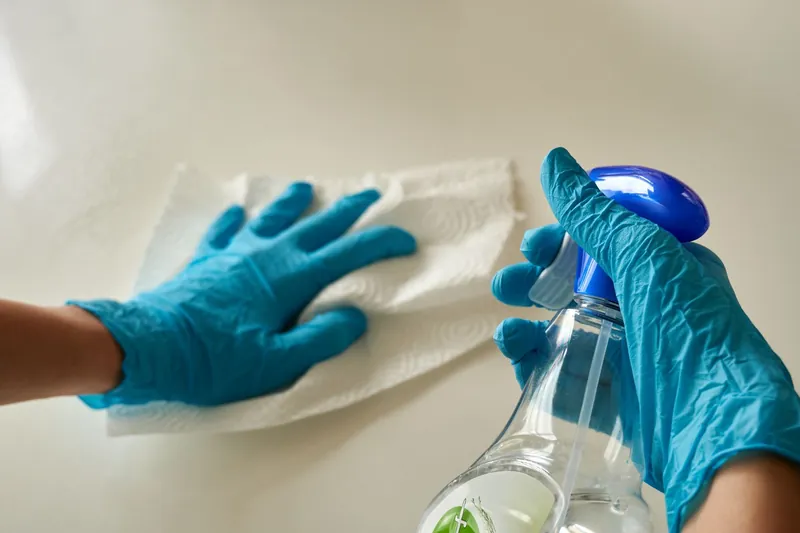
Tear gas cleaning may take one work visit or several, with responsible timing set after the site is assessed. A release confined to hard surfaces is generally less complex than contamination across multiple rooms, porous belongings or the air system. If carpeting, drywall or other construction materials must come out, restoration services may be needed afterward.
| Scene | Typical time on site |
|---|---|
| Limited release on hard surfaces | Cleaning may be completed in a focused visit if residue stayed in one area |
| House with affected contents or air-system exposure | Time is needed for containment, detailed cleaning and multiple passes |
| Large commercial or multi-room property | A phased schedule lets technicians check each room before that area returns to use |
Odor work must start by clearing the residue itself. Quick airing, paint and fragrances may cover a smell but leave irritant material on wall surfaces, cloth, shelves or other places it settled. The absence of a strong smell is not evidence that people can safely return to the area.
The path of the residue determines the air quality work. This may mean ventilating under controlled conditions, replacing filters that were affected, cleaning supply and return areas and removing dust from accessible air-system components. HEPA filtration can aid the process, although it is not a substitute for cleaning surfaces or taking out contaminated material.
The full tear gas and pepper spray cleanup guide covers what is cleaned or removed, odor and air quality work, and the rules that apply in your state.
Read the full tear gas and pepper spray cleanup guideLocal population patterns, housing and site access may affect how containment and cleanup are planned.
Knowing that Ascension St Francis Hospital is about 2.1 miles away helps households plan where to seek care before arranging scene cleanup.
The location sits near Harder's Oaks, Mount Olivet, and Honey Creek Manor, making local landmarks helpful when a property entrance is hard to find.
A neighborhood address can differ from its broader city label, making the full street and unit information important for discreet cleanup access.
Your phone conversation can include questions about service in nearby ZIP codes and communities.
Protective equipment suited to hazardous materials is used during hazmat cleanup.
See hazmat cleanup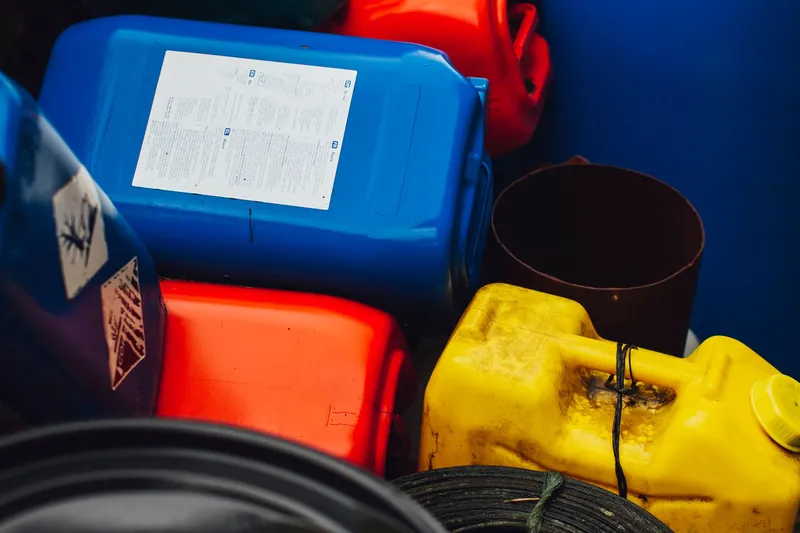
Waste cleanup removes toxic and chemical material for safe disposal.
See chemical and toxic waste cleanup
Crime scene cleaning begins after police release and covers blood, odor and the affected property.
See crime scene cleanup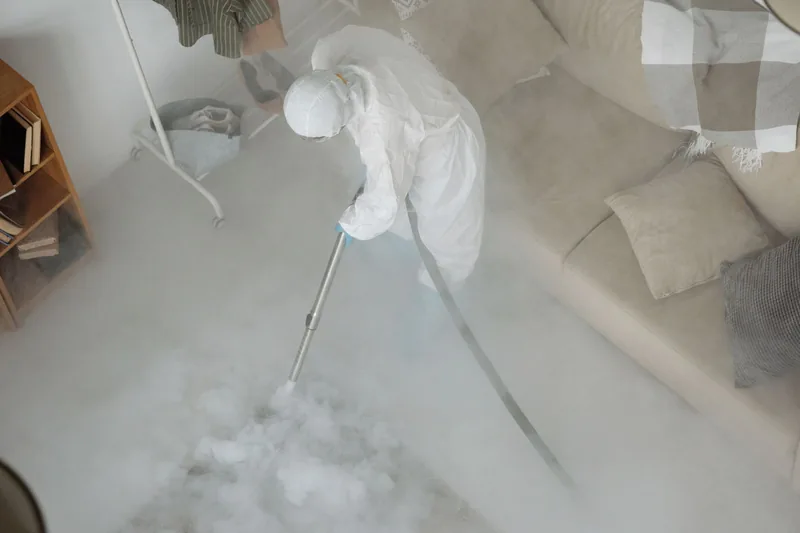
Full decontamination of rooms, surfaces and air after infectious or hazardous exposure.
See biohazard decontamination
Site access and operating needs guide planning for commercial and industrial biohazard cleanup.
See commercial and industrial biohazard cleanup
Biohazard cleanup for hotels, Airbnb units and rental properties.
See hotel, airbnb and rental biohazard cleanup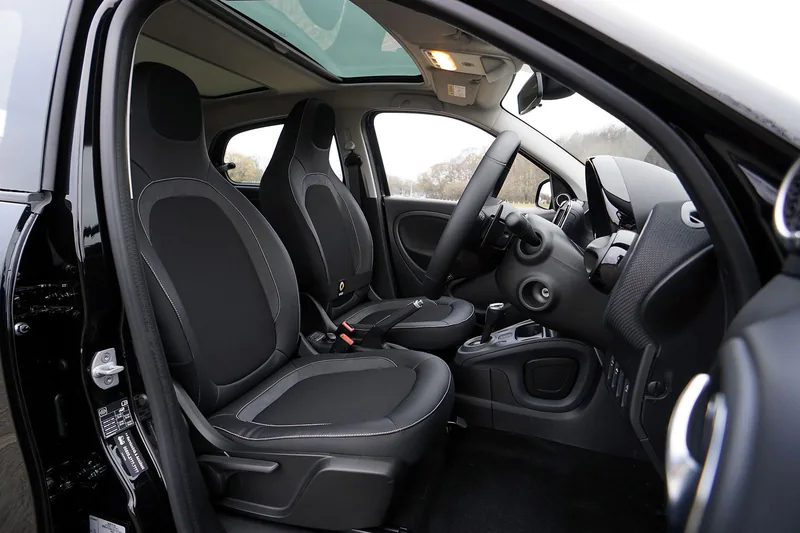
Biohazard cleanup treats cars, trucks, boats and RVs.
See vehicle biohazard cleanup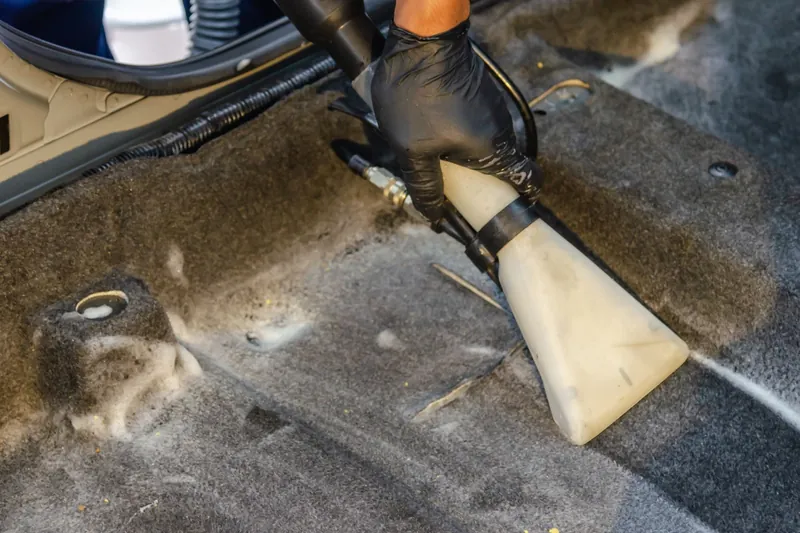
Carpet and upholstered items receive biohazard cleaning or are removed safely if necessary.
See biohazard carpet and upholstery cleaningYes, especially if heating, cooling or ventilation equipment ran during or after the release. The assessment should consider filters, return openings, supply vents and connected rooms. Air cleaning by itself cannot address the full problem. Surface residue and contaminated materials still need to be cleaned or removed at the source.
The timeline reflects how many rooms need attention, whether air equipment operated, how much personal property is present and how often surfaces must be cleaned. A limited hard-surface release can be addressed more quickly than a multi-room home or commercial property with carpet, upholstery and HVAC involvement.
A small outdoor exposure is different from an indoor property release. DIY sweeping, ordinary vacuuming and moving fabrics can spread particles. Indoor cleanup can involve ceilings, walls, contents and the air system, plus materials that cannot be washed. A professional assessment outlines the cleaning process in advance and gives you clear boundaries for the affected area.
Porous materials such as carpeting, drapes and upholstery may hold settled residue. Items that tolerate washing can sometimes be treated individually, whereas severely affected material may have to be taken out. The decision depends on the material, condition, exposure and whether residue can be reached without ruining the item or spreading contamination.
What led to the incident, how your policy is worded and its exclusions will affect coverage. Report the incident to your insurance company. Ask about temporary housing, air-system work, personal property, affected building materials and cleaning the chemical residue. Keep the police release, photographs, scope, invoices and disposal records for the insurance company.
Do not rub your eyes. Get to fresh air and obey instructions given by emergency or health personnel. You should remove contact lenses only when doing so is straightforward. You need urgent medical attention for vision changes, intense pain, respiratory trouble or any symptom that does not improve. Do not begin cleaning the property before the immediate exposure emergency has ended.
Crews carry out respectful, discreet tear gas and pepper spray cleanup, arrive in unmarked vehicles and take calls 24 hours a day.