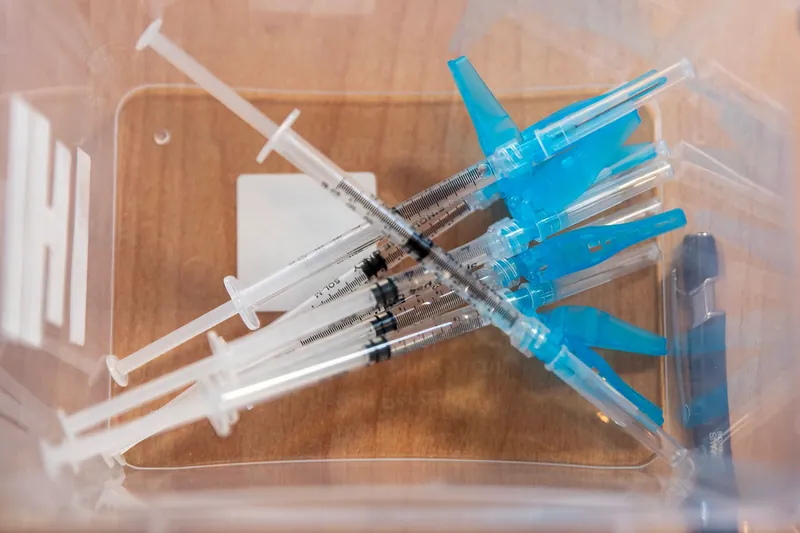
Needle and Sharps Cleanup
Needles and other sharps are removed from rentals, yards, encampments and parks.
See needle and sharps cleanupRemove needles, human waste, abandoned belongings and contaminated debris from an authorized vacant site in Amani, with careful sorting, cleaning and disposal.
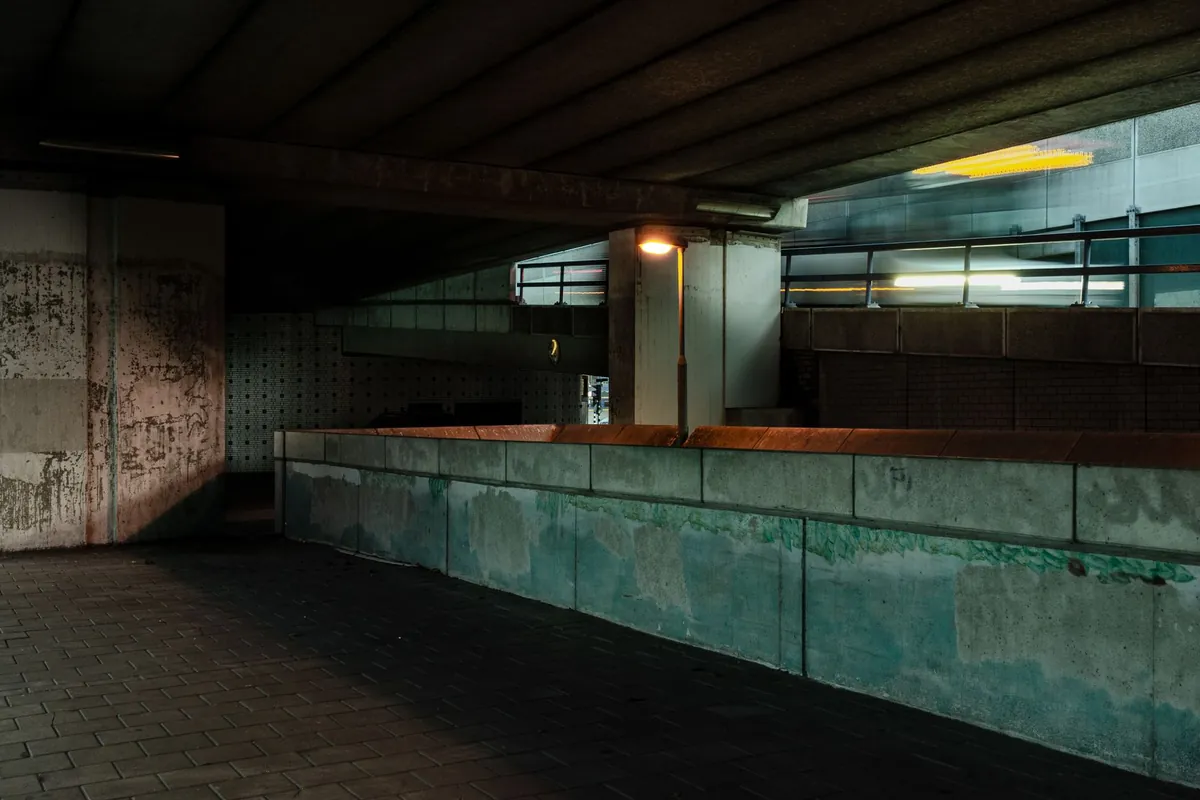
Homeless encampment cleanup is a careful service for taking away needles, abandoned contents, human waste and other contamination after the location is vacant and entry has been authorized.
This is not routine groundskeeping. A single pile may contain food waste, bedding, tents, bodily fluids, broken glass, unidentified containers and hidden needles. Trained technicians first inspect the affected location, then match their protective equipment to its conditions. Before removal begins, they establish a route designed to keep contamination from spreading outside the work area.
Personal possessions require respectful decisions during the work. Medication, identification, paperwork and belongings with possible value should not be discarded as ordinary trash unless the authorized person directs it. A site plan sorts recyclable items where practical and keeps regular solid waste apart from sharps and hazardous material. Anything requiring a distinct disposal method is separated as well.
Cleaning and disinfection can begin on contaminated hard surfaces after the debris has been taken away. Some porous materials, including soil, gravel and unfinished wood, may have to be removed when thorough cleaning is not possible. Air quality treatment and odor removal come after the source is removed, rather than relying only on fragrance.
Before removing material in bulk, crews systematically inspect the affected area for bodily fluids, unsecured sharps, unstable rubbish and containers with unknown contents.
You get a plan centered on authorized choices, safe site conditions and practical recovery, with personal property sorted apart from trash.
Using unmarked vehicles, crews set up a loading route and contain contaminated material as it leaves the site.
You can see the included areas, planned removals and cleanable surfaces, along with anything that might need professional cleanup, repairs or another service.
Encampment cleaning may be appropriate once a public agency or property owner authorizes entry to a vacant location where normal groundskeeping cannot safely clear the remaining debris or contamination. Since sites vary, the cleanup plan must reflect what is present. Common examples follow:
A covered concrete location requires careful sorting, surface cleaning and removal because it contains stains, debris, odor and sharp objects.
A storefront, warehouse perimeter or parking structure needs a safe path restored without moving unknown items by hand.
Several affected areas at a repeatedly used location may contain built-up waste, wet materials, pest residue or odors.
A vacant lot, loading area or building edge contains tents, bedding, food waste, needles or human waste after access has been legally authorized.
First confirm that the site is vacant and that you have authority to enter and remove material. Then protect people from hidden hazards while the cleanup is planned.
Call (888) 351-0904No homeless encampment cleanup range appears in the approved published cost information. Related biohazard guides place the typical national range at $3,000 to $5,000 and show $1,800 to $4,500 as the residential average. Most residential projects have a listed span of $2,500 to $8,000; Fixr's complete published biohazard range is $1,500 to $25,000. These planning figures do not represent encampment-specific pricing. The final cost depends on access, site area, disposal needs and the materials found.
Published national cost guides are the source for these ranges, rather than an inspection of your property. An on-site assessment determines your property's price, which is explained to you before the cleanup starts.
Ask about cost: (888) 351-0904Insurance can cover certain cleanup expenses or damage when the cause is a covered loss. Whether it applies to routine maintenance, encampment debris or a condition that continued over time depends on your specific policy.
The property owner or approved manager generally secures access, then checks with the insurance company about coverage for recorded damage.
The responsible public agency controls authorization, scope and payment on public land. A private individual should not authorize work on that land without permission from the responsible authority.
The work may be divided into separate parts for cleaning, debris removal, pest control, soil removal and structural repairs. Ask if coverage applies to any portion.
Ask insurance companies whether the policy may cover vandalism, property damage, biohazard remediation or another stated cause, and what photos and records they need. Direct answers may help you move forward.
The cleanup process starts with authorization and a hazard survey, then moves through sorting, controlled removal, cleaning and a final walkthrough. Cleanup involves a different path for each waste type. The cleaning process and every step are adjusted to the site and the waste found there.
Technicians chart affected areas, nearby drains and access paths before recording human waste, sharp objects, heavy rubbish, brush, porous materials and unknown containers.
A work boundary and clean loading path are set. The hazards actually found determine the choice of protective gear, collection tools and containers.
Using tools, visible needles are picked up and put immediately inside puncture-resistant sharps containers. Materials are shifted carefully to reveal concealed objects.
Documents, identification, medication and any other specified belongings are sorted apart from garbage. Suspected evidence and unknown containers remain undisturbed for the proper authority.
Ordinary trash, contaminated materials, bulky items and hazardous materials are kept in separate streams and contained for the correct disposal route.
Cleaning hard surfaces comes before applying an EPA-registered disinfectant. For biohazard remediation process requirements, keep the surface wet throughout the product label's full contact time.
The first step is removing waste and saturated materials. Afterward, a closed area may need air scrubbing, HEPA vacuuming or another method appropriate for the source that remains.
You inspect the removed materials, cleaned spaces, disposal documentation and any outstanding soil work, restoration services, repairs or pest control.
Call any hour. You speak with a homeless encampment cleanup specialist who outlines the process and schedules a start time with you.
Serious health risks can come from hidden sharps, human waste, bodily fluids, unstable debris and unknown substances, so the site should be inspected before waste is moved.
Unknown liquids, batteries, fuel containers, drug paraphernalia and pressurized cans should be identified before removal. Putting such items into regular garbage may endanger workers and complicate disposal.
Belongings may be tied to a person's health, identity or daily survival. Calm documentation, careful sorting and clear permission can safeguard personal property while limiting avoidable harm.
Clothing, nearby surfaces and tools can become contaminated by human feces, blood, urine and vomit. Dried blood still needs care since the CDC reports that surface-borne hepatitis B can survive for at least seven days.
Can you clean it yourself? Suitable tools and gloves may be enough for picking up a few pieces of ordinary trash in an unobstructed space. Stop if you see loose needles, human waste, bodily fluids, unknown chemicals, unstable debris or material that has soaked into soil or a porous surface.
Removal is necessary for loose sharps, hazardous debris and absorbent materials that have become soaked. Hard surfaces suitable for washing may be retained after proper cleaning and disinfection.
Cleanup should start only after the property owner or accountable public agency confirms vacancy, permission to enter and authorization for removal.
Possible contact with blood or material that could be infectious brings requirements for worker training, exposure controls and protective equipment under OSHA Bloodborne Pathogens Standard 29 CFR 1910.1030 rules.
Wisconsin calls it infectious waste, and items saturated with human blood or body fluids are treated as infectious. The Department of Natural Resources rules control storage, transport and treatment, so it cannot go in household trash.
Local health and building rules can affect how a contaminated room is cleaned and when it can be used again, so mention any notice you have received from the city or county.
The amount of debris, available access, site dimensions and identified hazards determine how long cleanup takes. A limited area might be finished during one work period, but layered or extensive locations may call for several phases and later visits.
The full homeless encampment cleanup guide covers what is cleaned or removed, odor and air quality work, and the rules that apply in your state.
Read the full homeless encampment cleanup guidePlanning for access, containment and cleanup can depend on local population, housing and entry conditions.
The nearest listed emergency facility is Ascension Se Wisconsin Hospital, about 1.5 miles away, so medical care remains separate from property cleanup.
With 30th-street-corridor, Metcalfe Park, and North Division close by, accurate street and unit details help avoid confusion during a sensitive response.
Properties within this Milwaukee neighborhood may share alleys, entries, or parking, so equipment movement should be planned around nearby residents.
Ask on the call about cleanup options for neighboring communities and ZIP codes.
Needles and other sharps are removed from rentals, yards, encampments and parks.
See needle and sharps cleanup
Disinfection accompanies human feces cleanup in public restrooms, homes and rental properties.
See human feces cleanup
Rental spaces and properties are cleared of needles, pipes and residue from drugs.
See drug paraphernalia cleanup
Sealed containers with labels hold biohazard waste during collection and disposal.
See biohazard waste disposal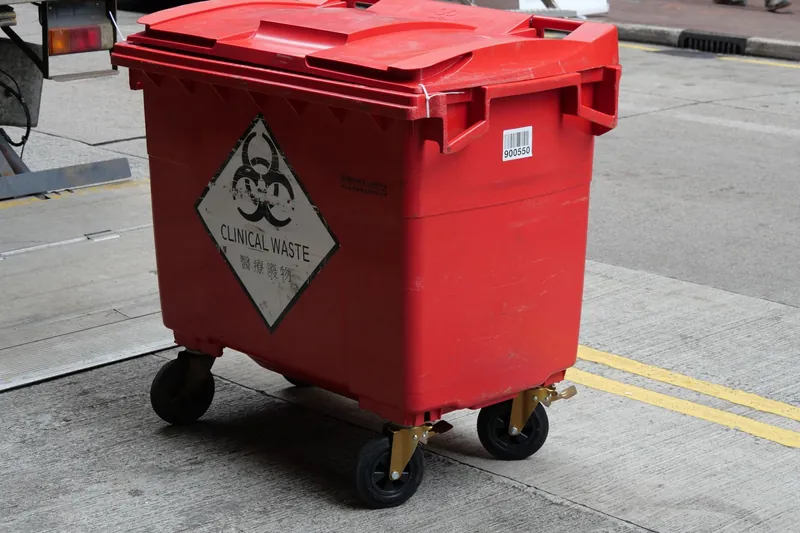
After medical waste removal, disposal takes place through approved treatment facilities.
See medical waste removal
Any property receives disinfection after removal of infectious materials, including bodily fluids and blood.
See biohazard cleanup
Commercial and industrial sites receive biohazard cleanup arranged around operating needs and site access.
See commercial and industrial biohazard cleanup
Hazmat cleanup of hazardous materials with the right protective equipment.
See hazmat cleanupYou may be able to collect normal litter from a clear space using proper gloves and pickup equipment. Stop upon finding unknown chemicals, human waste, loose sharps, bodily fluids, unstable debris or porous materials that have absorbed contamination. Those conditions call for a hazard-specific plan, protective gear, correct containers and waste disposal suited to what is found.
Published guides include no separate range for encampment cleanup. Related cost guidance places typical biohazard cleanup between $3,000 and $5,000, with Fixr publishing a broader $1,500 to $25,000 range. The amounts serve only as planning guidance. Site size, sharps, human waste, access, soil impact and disposal needs affect the actual scope.
Timing is shaped by the affected area dimensions and arrangement, the amount of rubbish, needle quantity, the route to the loading point and any need to remove soil or building materials. Brush, inclines and closed spaces make the work more complex than a clear, open location. Use the assessment to set the work order and expected timing.
Possible work includes checking hazards, looking for sharps, keeping personal property separate, clearing tents and debris, human waste cleanup, washing and disinfecting hard surfaces, and removing odor sources. The exact scope depends on what is found. Disposing of unidentified chemicals, addressing soil, controlling pests and making repairs may involve additional steps.
An approved cleanup plan needs to state which items can be taken away and which ones require separation. Careful consideration is needed for documents, identification, medication, photos and belongings with clear personal meaning instead of automatic disposal. Do not move items that may be evidence. Local requirements and the authority controlling the property determine the final process.
Certain waste found there is not a biohazard. Everyday litter and large debris might use standard solid waste disposal routes. Added controls are necessary for blood, some bodily fluids, unsecured sharps and other contaminated materials. Separate assessment may be necessary for unidentified chemicals and suspected drug materials. The site assessment identifies each waste type before removal begins.
You can request respectful, discreet homeless encampment cleanup 24 hours a day, and crews use unmarked vehicles.