Hoarding Cleanup
Hoarding cleanup combines respectful sorting, removal and deep cleaning.
See hoarding cleanupClear built-up waste, remove contaminated materials and deep clean an unsafe home with a plan that protects important belongings and explains each stage.
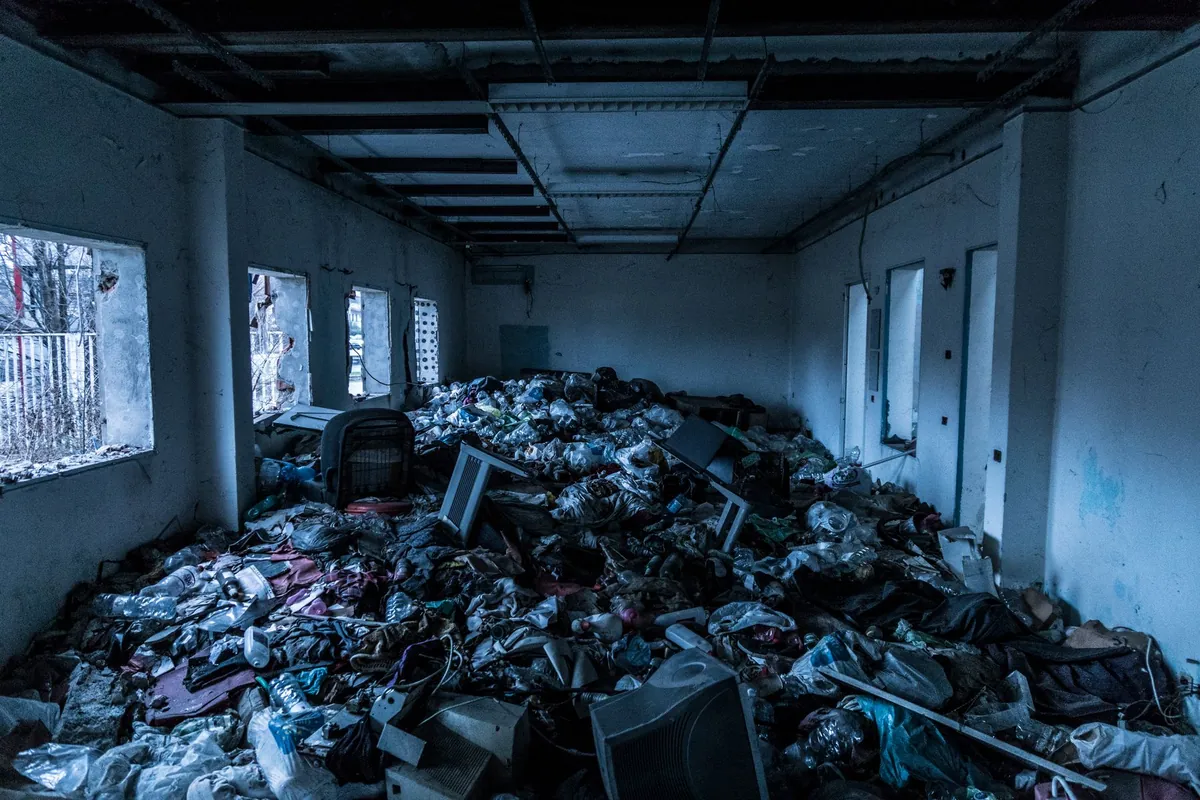
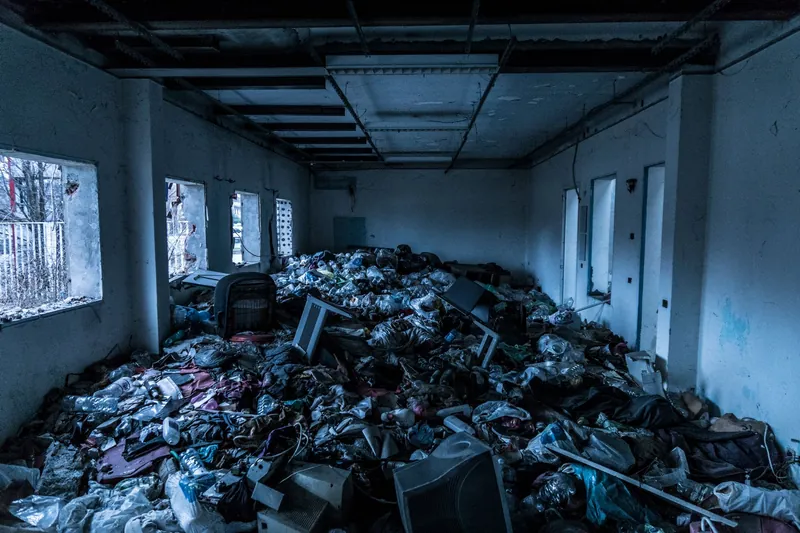
Filth and squalor cleanup removes accumulated trash, spoiled material and unsafe waste, then cleans and disinfects affected areas so the home can be used more safely.
Squalor describes the condition of a property, not the character of the person living there. A home may decline after illness, grief, reduced mobility, a plumbing problem, pest activity or a long period without regular cleaning. The cleanup service should focus on current conditions and practical next steps without blame.
The work may include clearing floor paths, sorting personal property, removing discarded food and household waste, cleaning kitchens and bathrooms, and treating persistent odor. If technicians find urine, feces, blood, loose sharps, sewage or other contaminated materials, the cleaning process changes. The job may then require biohazard remediation, protective equipment, controlled work zones and the correct waste disposal path.
Some filth cleanup jobs differ from clearing out the entire home. A home may hold few belongings you want to keep yet still have serious sanitation issues. Careful sorting may be necessary in some properties before reaching the surfaces below. The affected area, materials left behind and your choices about personal items should determine the scope a cleaning service follows.
Contents removal appears separately from odor care, disinfection, repairs and deep cleaning, which helps you understand what the cleanup involves.
Workers use unmarked vehicles when arriving. Careful placement of work and loading spaces may help keep activity around the residence discreet.
Clear, blame-free explanations guide you through the cleanup. Each room's condition is recorded, while cleanup choices reflect your property goals, sanitation needs and safety.
For risks such as pests, spoiled material, loose sharps and bodily fluids, the protective gear, containment and waste disposal method should fit conditions found. Your cleanup plan should set out each step.
Filth cleaning services are useful when ordinary housekeeping cannot safely reach or restore the affected areas. Common situations include:
A tenant, property owner or authorized manager needs abandoned waste removed and affected rooms documented before repairs or a new occupancy.
Protective gear, targeted disinfection and removal may be necessary when fixtures and surrounding areas contain feces, urine or heavy residue.
After hospitalization, limited mobility or a health crisis, food, garbage and bathroom residue may accumulate beyond safe do-it-yourself cleaning.
Before a resident returns after medical treatment or an absence, the home needs usable rooms, sanitary conditions and open paths.
Start by protecting people and preserving choices about the home. Do not rush into moving waste when the hazards are still unknown. If there is an active medical, fire or safety threat, contact the appropriate emergency response service or law enforcement before cleanup begins.
Call (888) 351-0904Planning information in Published guides places hoarding with biohazards from $3,000 to $20,000 in range. It places biohazard-level hoarding from $2,000 to $25,000 in range. Yelp lists human waste cleanup at $400 to $1,500 as an average range. These related figures do not set a squalor job's actual scope, which changes with material damage, pests, odor work, waste type and buildup extent.
The figures shown are national ranges from published cost guides and are not based on an on-site visit. After an on-site assessment, the price for your property is determined and shared with you before cleanup begins.
Ask about cost: (888) 351-0904Insurance can cover damage caused by an event included in your policy. Accumulated waste, routine neglect and general cleaning are often considered differently, and the insurance company decides using the policy terms and documented source of the damage.
Ask your insurance company if a covered plumbing problem or another abrupt event contributed to the property damage. Cleanup not caused by the incident may be assessed on its own.
An executor or other authorized representative should confirm who can approve removal, sign the scope and make payment decisions before personal property is moved.
Ask what cause of loss applies, what photos and records are required, which affected areas are included, and whether removal, sanitation and restoration are considered separate parts of the claim. Putting relevant records in order for the adjuster can be part of insurance assistance.
Arrangements for access and payment may change based on local requirements, the property's state and its lease. Someone with proper authority should confirm the plan before any tenant property is discarded.
Remediation is adapted to the situation while keeping a careful order. It begins with safety and sorting, then moves through removal and detailed cleaning before a final walkthrough. That flow separates dirty contents from areas that have already been cleaned.
In rooms that can be reached, cleanup technicians locate affected areas and document waste, pest activity, moisture, sharps, obstructed paths and materials that could need removal.
The site is arranged with defined work areas and an uncontaminated route out. Workers choose respiratory and eye protection, gloves and protective clothes based on conditions at the property.
Documents, medication, photographs, valuables and uncertain belongings are separated from waste so you or an authorized person can decide what happens to them.
Approved discards, garbage and spoiled items are placed in bags or other containers. To avoid spreading contamination, dirty bags do not travel through clean areas, and sharps are never mixed with household waste.
When liquids or waste soak beyond effective cleaning, removal may include carpet, padding, cabinets, drywall or subfloor.
Cleaning comes before disinfection on uncovered hard materials. An EPA-registered disinfectant must remain wet for every minute of label contact time wherever disinfection is necessary.
Odor sources are removed first. Afterward, HEPA vacuuming, focused surface cleaning and air scrubbers may lessen particles and smells left within the work zone.
You examine cleared rooms, saved property, removed materials and any restoration services still needed for plumbing, pest control, drying or construction. To help you move forward, workers explain what work remains.
Call at any time. Your filth and squalor cleanup specialist answers the phone, describes what happens next and works with you on a start time.
Severe buildup can create serious health risks when waste, sharp objects, moisture or unstable contents are present, even if the surface looks dry.
Broken glass, medication, sharps and leaking domestic chemicals may sit unseen beneath loose contents or within bags. Before disposal, hazardous materials must be separated and matched to the correct waste path.
Spoiled food and open waste may support insects or rodents. Before shifting piles or disturbing dry debris, locate droppings, nests and belongings damaged by pests.
A hard home situation may relate to poor health, personal loss or declining independence. Gentle, clear explanations help you and your loved ones decide how to treat personal property.
Can you clean it yourself? Cleaning may be reasonable for minor everyday dirt on an intact non-porous surface when you use gloves and obey the product label. Stop if you find human or animal waste, loose sharps, an unknown chemical, sewage, unstable piles or contamination that has soaked into porous materials.
Cleanable hard surfaces can often stay after detailed washing and disinfection. Porous items may need removal when waste, liquid or odor has soaked through them.
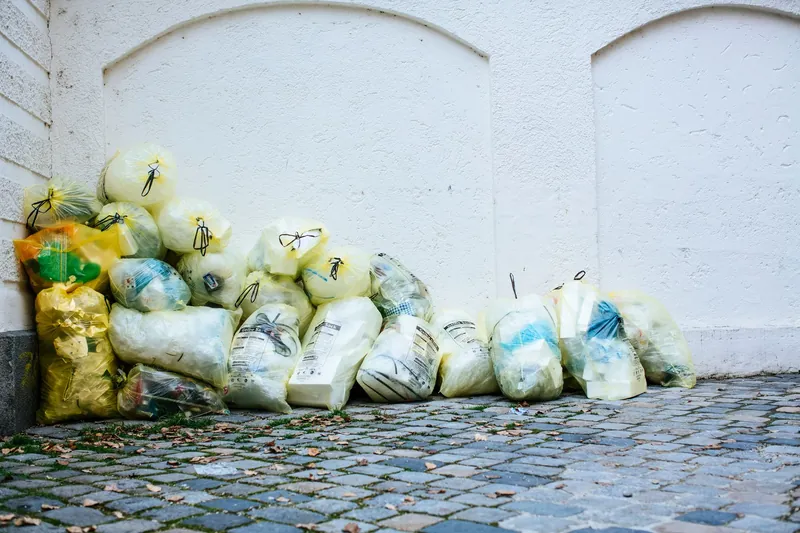
At 29 CFR 1910.1030, requirements in the OSHA Bloodborne Pathogens Standard cover training, exposure controls and protective equipment when workers might encounter blood or material that could be infectious.
Use every EPA-registered disinfectant exactly as its labeling directs. For correct use, maintain a wet surface during the entire contact period given on the label.
Wisconsin calls it infectious waste, and items saturated with human blood or body fluids are treated as infectious. The Department of Natural Resources rules control storage, transport and treatment, so it cannot go in household trash.
Local health and building rules can affect how a contaminated room is cleaned and when it can be used again, so mention any notice you have received from the city or county.
A limited area may require about a day, and work across several rooms can last multiple days. Squalor throughout an entire home may need a week or longer if access is restricted, possessions require decisions or contaminated material needs removal.
The full filth and squalor cleanup guide covers what is cleaned or removed, odor and air quality work, and the rules that apply in Milwaukee County.
Read the full filth and squalor cleanup guideLocal population patterns, housing and site access may affect how containment and cleanup are planned.
The nearest listed emergency facility is Ascension St Francis Hospital, about 2.8 miles away, so medical care remains separate from property cleanup.
Connections to Theater District, Historic Financial District, and Juneau Town make a precise address important for coordinating cleanup access without unnecessary neighborhood attention.
Because this is a neighborhood within Milwaukee, cleanup access may depend on local parking, common entrances, or building management rules.
During your call, ask whether cleanup is available in surrounding communities and ZIP codes.
Hoarding cleanup combines respectful sorting, removal and deep cleaning.
See hoarding cleanup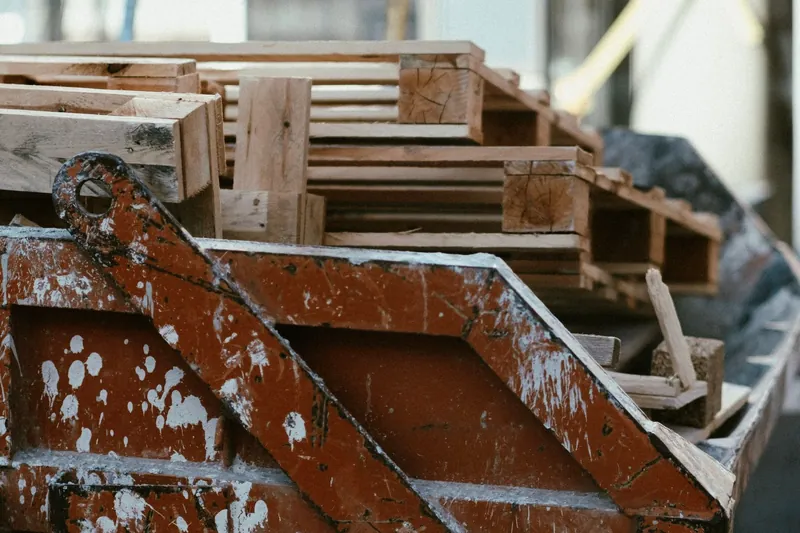
During hoarder house cleanout, trash is hauled away as work progresses from room to room.
See hoarder house cleanout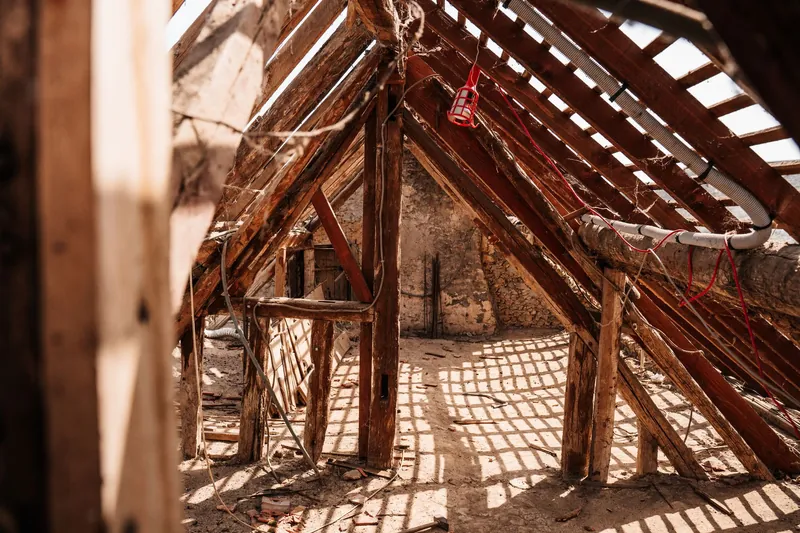
Animal hoarding cleanup of waste, urine soaked materials and ammonia odor.
See animal hoarding cleanup
Rentals, residences and public bathrooms receive human feces cleanup and disinfection.
See human feces cleanup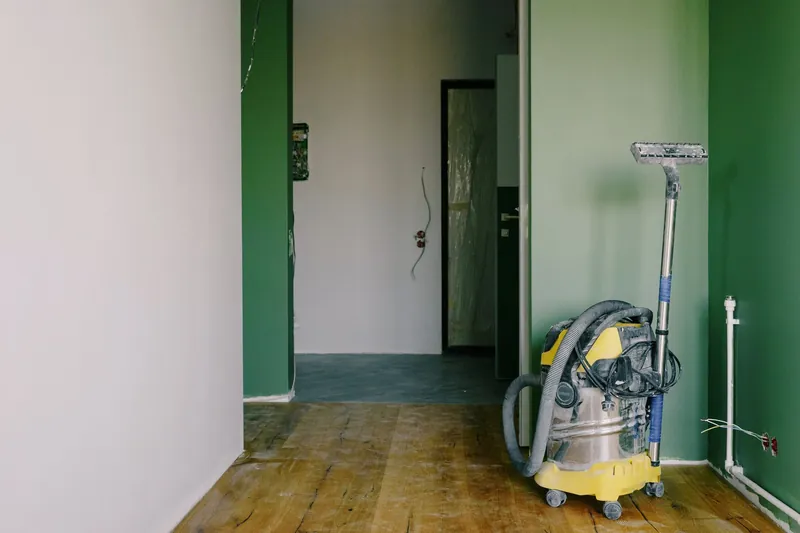
For furnishings, flooring and subfloors, urine cleanup includes odor removal.
See urine cleanup
Blood, body fluids and other infectious materials are removed, followed by property disinfection.
See biohazard cleanup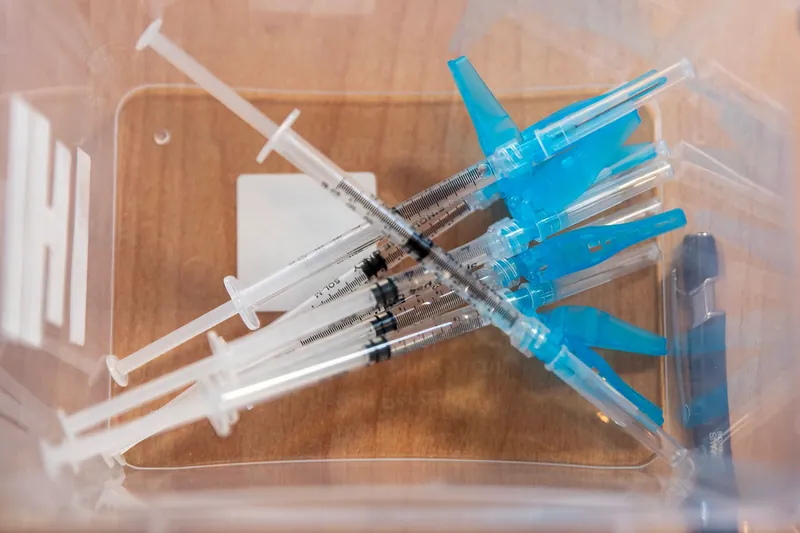
Needles and other sharps are removed from rentals, yards, encampments and parks.
See needle and sharps cleanup
Biohazard cleanup addresses Airbnb accommodations, hotels and other rental units.
See hotel, airbnb and rental biohazard cleanupSqualor describes a home with unsanitary conditions. Someone with hoarding behavior struggles to discard belongings, whether or not heavy filth is present. Some homes are clean despite crowding, while others hold few furnishings yet remain unsafe from residue and waste. The cleaning scope should be based on the conditions present, not a label.
Cleaning a home with unsafe sanitary conditions and removing accumulated waste are the central parts of filth and squalor cleanup. The cleanup can cover sorting personal property, taking away spoiled material, washing hard surfaces, treating odors, disinfecting affected areas and removing porous items when safe cleaning is not possible.
Published guidance for related work lists human waste cleanup at $400 to $1,500; biohazard hoarding at $3,000 to $20,000; and biohazard-level hoarding at $2,000 to $25,000 in those guides. Use these figures for planning. Buildup, waste type, damaged materials, pests, access and odor work affect the actual scope.
Yes. Hard, non-porous belongings may be cleaned when they are sound and accessible. You can decide about documents, photos, medication and valuables after workers place them in a separate area. Removal can be needed for porous materials saturated by feces, wastewater, urine or another contaminant. The reason for discarding an item should be clear to you first.
What damaged the property and what your policy says will shape coverage. An insurer may evaluate routine cleaning or gradual buildup differently than harm from a sudden covered incident. Ask the insurance company which cause applies, what records are required and whether repairs, sanitation and removal are evaluated separately.
Deep cleaning can help after you locate the material causing the odor. Removing garbage, rotten food, wet materials, pest residue or urine-saturated carpeting may have to come first. Next, hard surfaces are cleaned, and air quality work may begin afterward. If a smell remains, contamination may be hidden in carpet pad, subfloor, cabinets or wall cavities.
Respectful, discreet filth and squalor cleanup is available 24 hours a day, and crews arrive in unmarked vehicles.