Death Cleanup
Fluids, odor and impacted belongings are addressed when a home is cleaned after a death.
See death cleanupSort, pack and remove belongings from a home, apartment, garage or storage area in East Village after a death. Important documents and keepsakes are set aside under your instructions.
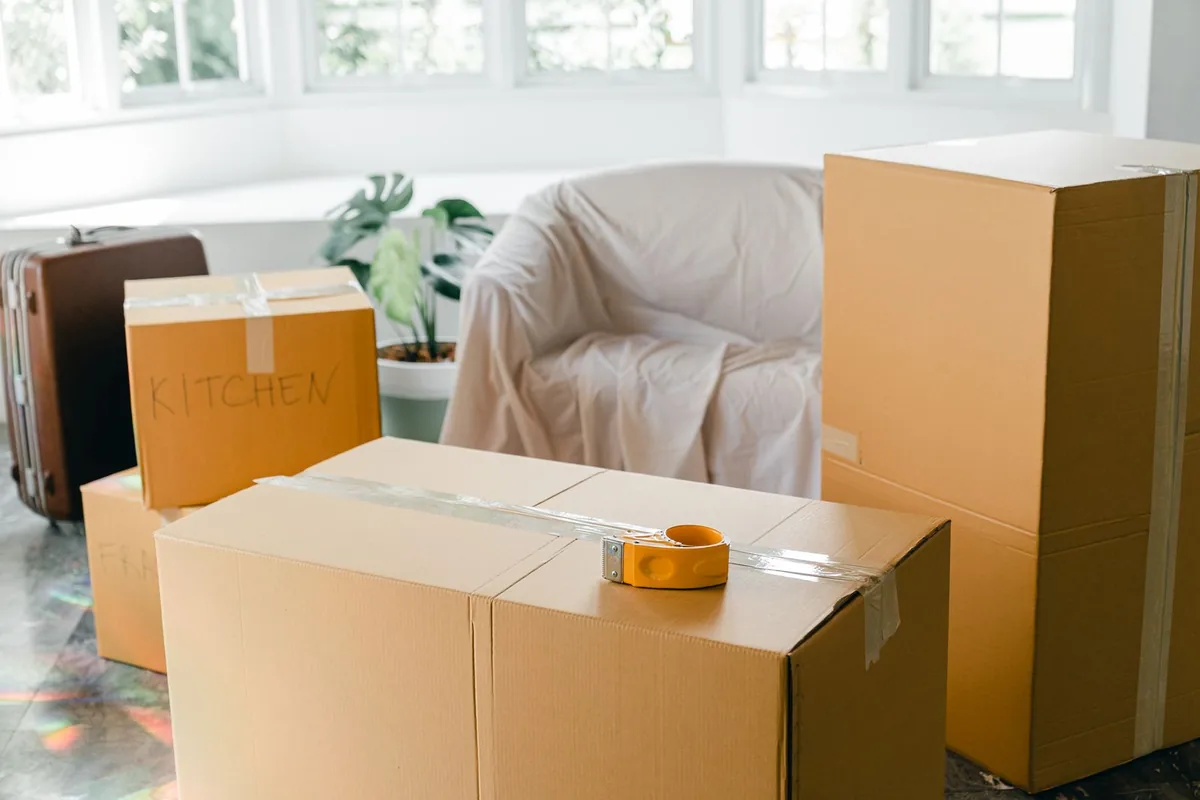
An estate cleanout following a death is a planned process for organizing, packing and removing someone's belongings when the family or legal representative has decided the property can be cleared.
The included spaces might be a house, apartment, attic, garage, storage unit or separate building. Before removal, belongings go into the categories you select: retained items, papers to examine, intended donations, recyclables and regular trash. Appliances and furniture may then leave the property, making the rooms empty and ready for their next use.
A home may need general estate sorting without death cleanup if someone died there and bodily fluids did not affect any property. The order changes when the death was unattended or when visible blood, contamination or strong odor is present. Biohazard cleanup then has to happen before surrounding belongings are sorted, helping keep family and every person entering that area safer.
A thoughtful estate cleanup service also protects the things that are easy to miss. You should have an opportunity to examine saved medication, family mementos, money, photos, legal papers, keys and jewelry. You can identify priorities before the cleanup process begins and make decisions in stages when the contents are extensive.
You approve the sorting categories, priority items and removal scope before work begins. Work can wait whenever the family needs to make a choice.
Rather than entering the ordinary removal group, photographs, records, valuable belongings and listed keepsakes are set apart for your inspection.
Photos, scope records and invoices can support talks with insurance companies, family and the authorized estate contact while you move forward.
The crew uses unmarked vehicles, protects shared paths and keeps bags or cartons discreet outside the property.
A family or executor may need an organized process for clearing possessions after someone dies. Estate cleanout services can also assist a landlord or property owner in these common situations:
Items outside the home's living rooms, including records, tools, furnishings, chemicals and cartons, require sorting under the agreed plan.
Property contents are removed with consideration for parking, elevators, building access, other residents and the landlord's terms.
Before belongings in safe spaces are reviewed or taken out, biohazard remediation is finished in the affected area.
A home with regular household items may require packing, removal and sorting when a person died under care or with family present.
Start by protecting the property and confirming who can make decisions for the estate. These steps reduce confusion before cleaning services or removal begin:
Call (888) 351-0904An estate cleanout cost guide from veteranhauling.com lists $1,000 to $3,000 for a smaller one to two bedroom home, $3,000 to $7,000 for a mid-size three to four bedroom home, and $7,000 to $15,000 for a large or heavily furnished home. Load-based junk removal is listed at $300 to $800 per truckload. Your price depends on the actual contents, access and disposal needs.
Published national cost guides are the source for these ranges, rather than an inspection of your property. After an on-site assessment, the price for your property is determined and shared with you before cleanup begins.
Ask about cost: (888) 351-0904Ordinary estate clearing is not automatically covered by insurance, though cleanup connected with a covered loss may qualify under the policy. Without coverage, payment often falls to the property owner or estate.
The lease, area regulations and control of the contents may determine responsibility. Before altering the unit or clearing a tenant's personal property, verify that you have authority.
Contact the insurance company to confirm coverage for the damage source and any death cleanup or biohazard work, along with the documents needed. The specific event and policy determine coverage.
Homeowners or renters insurance, the estate or the property owner usually pays for this kind of cleanup. The Wisconsin crime victim compensation program helps only when a crime caused the loss. Contact the program itself to ask if qualifying crime scene cleanup or associated expenses receive coverage. Standard estate cleanout costs may not qualify for the benefit.
The person managing the estate may ask an appropriate legal or financial adviser if estate money can cover clearing expenses. File invoices with removal records.
A controlled estate cleanout starts by confirming entry and concludes with the final inspection of the property. At each point, you can approve the work and specify anything that must remain.
Each room, entry route and important belonging is reviewed by you or your representative. Any affected areas or possible hazards are marked before sorting.
The sorting categories follow your choices and may cover items to keep, discuss with family, set aside for intended donation, recycle, discard normally or dispose of separately.
Important contents such as identification, financial records, pictures, keys, valuables and listed keepsakes are secured for decisions apart from outgoing items.
When contamination is present, cleanup crews isolate the affected area, wear protective equipment and complete the remediation process before general sorting resumes.
Belongings you retain go into clearly marked packages organized by room or type. Keeping documents and fragile objects separate from other contents makes them easier to inspect.
Approved furniture, boxes and ordinary debris are carried out along a planned route. Special contents are directed to their appropriate waste disposal path.
After a room has been cleared, its dust and normal residue can be removed. Any persistent odor is traced to its source before odor removal is considered complete.
You can examine each cleared space, check the property set aside and identify repair or restoration services needed ahead of the transfer.
Call at any time. An estate cleanout after a death specialist answers, explains the steps and agrees a start time with you.
Most estate belongings are not biohazards, but a home can contain risks that should be identified before sorting begins.
Keep decisions about loose needles, medication, chemicals, fuels and ammunition separate from ordinary contents. Never use your hands to put sharp or unidentified objects in a regular bag.
Professional cleanup may be needed before general belongings move when bodily fluids touch subfloor, carpet, furniture, drywall or padding, and the affected material may require regulated waste disposal.
Bloodborne pathogens may be present in blood and bodily fluids. Do not assume dried material is harmless. Hepatitis B can live on a surface for at least seven days, the CDC says.
Can you clean it yourself? A standard cleanout team should halt the job after uncovering hidden contamination. For fresh blood in a small quantity on hard, non-porous material, wear gloves and apply an EPA-registered disinfectant throughout its required contact time. The estate work should pause for professional biohazard cleanup if blood soaked into wood, textiles, carpeting or other absorbent material.
Timing for an estate cleanout varies. A small home with light furnishings might be cleared in one work period, but several visits can be needed when a full house requires careful decisions by the family. Access restrictions, biohazard tasks and decisions that are not yet made take additional time.
| Scene | Typical time on site |
|---|---|
| Smaller residence with choices completed beforehand | Often the shortest schedule |
| Full home with family choices by room | Often requires several work periods |
| A heavily filled property with hazards or unattended death cleanup | Longer and completed in planned stages |
The source must be located before an odor can be removed. Stale indoor air might improve once spoiled food, trash and washable items are taken out. A fragrance alone will not fix contamination following an unattended death, nor will it correct smoke residue, animal waste or moisture.
Air treatment follows source removal whenever biohazard materials are involved. Cleanable surfaces receive an EPA-registered disinfectant and remain wet for the complete contact time on its label. Porous contents with contamination may require removal, and HEPA air scrubbers can collect airborne particles as professional cleanup proceeds. The odor's cause, rather than how powerful a masking fragrance seems, determines the finishing plan for air quality.
Only a person with the proper authority should approve access, sale, donation or disposal. Court and estate requirements vary, so ask a qualified local professional when ownership is disputed.
When employees could encounter blood, the OSHA Bloodborne Pathogens Standard, 29 CFR 1910.1030, requires specific training, protective gear and work methods.
Wisconsin calls it infectious waste, and items saturated with human blood or body fluids are treated as infectious. The Department of Natural Resources rules control storage, transport and treatment, so it cannot go in household trash. Different disposal methods can apply to ordinary goods, chemicals, electronic equipment, sharps and contaminated materials.
Wisconsin has no state medical examiner. Each county runs death investigations through either an elected coroner or an appointed medical examiner, and some counties share one. Cleanup starts after police or the medical examiner or coroner release the scene. If the medical examiner or law enforcement has a role, begin no scene cleaning or removal before receiving release of the affected area.
The full estate cleanout after a death guide covers what is cleaned or removed, odor and air quality work, and the rules that apply in your state.
Read the full estate cleanout after a death guide
Containment, entry and cleanup plans can be influenced by local housing, population and access details.
The nearest listed emergency facility is Ascension Columbia St Marys Hospital Milwaukee, about 2.0 miles away, so medical care remains separate from property cleanup.
The location sits near Brady Street, Beerline B, and Lower East Side, making local landmarks helpful when a property entrance is hard to find.
In East Village, identifying the correct building entrance can reduce unnecessary movement through shared spaces during a sensitive cleanup.
Your phone conversation can include questions about service in nearby ZIP codes and communities.
Fluids, odor and impacted belongings are addressed when a home is cleaned after a death.
See death cleanup
Cleanup when a death went unnoticed for days, with decomposition and odor control.
See unattended death cleanup
Care for the family's home guides cleanup when a death has been found quickly.
See attended death cleanup
Decomposition fluids are removed from furniture, flooring and the subfloor beneath it.
See decomposition cleanup
Death odor removal targets the source through ozone treatment, hydroxyl and air scrubbers.
See death odor removal
Deep cleaning, respectful sorting and removal are all part of hoarding cleanup.
See hoarding cleanup
Hoarder house cleanout from the first room to the last, with trash hauled away.
See hoarder house cleanout
Biohazard waste pickup and disposal in sealed, labeled containers.
See biohazard waste disposalAuthority may belong to an executor, administrator, trustee, property owner or another legally authorized person. Who has authority depends on local steps and the governing estate documents. A dispute among family or uncertainty about authorization calls for halting personal property removal until a qualified local probate professional gives guidance.
The cited guide places a small home at $1,000 to $3,000; a mid-size home at $3,000 to $7,000; and a heavily furnished or large property at $7,000 to $15,000 for that category. Contents, truckloads, special disposal and access affect the final scope and price.
First gather the clearly identifiable items that would be hard to replace, such as identification, legal papers, pictures, keys, jewelry, money, medication and listed mementos. Leave heavy belongings in place instead of lifting them yourself. A recorded list of priorities helps identify important property while contents are sorted.
A homeowners policy does not automatically cover ordinary estate clearing. It may cover cleanup related to a covered event, including some damage associated with a death, depending on the policy. Reach out to the insurance company with the loss details and confirm the terms for cleaning, personal property and documentation.
Contents work should halt in and around the affected area. Keep people and pets away, do not pick up loose sharps by hand and do not mix contaminated materials with household trash. A professional cleanup evaluation can identify the protective equipment, disinfecting process and waste disposal route required prior to resuming ordinary estate work nearby.
Items can be sorted into an intended donation category, but acceptance belongs to the receiving organization. What the organization accepts can depend on item condition, safety policies and present demand. Ask where items would go, and do not assume mattresses, medical equipment, chemicals or damaged goods will be accepted.
You can request respectful, discreet estate cleanout after a death 24 hours a day, and crews use unmarked vehicles.