Sewer Backup Cleanup
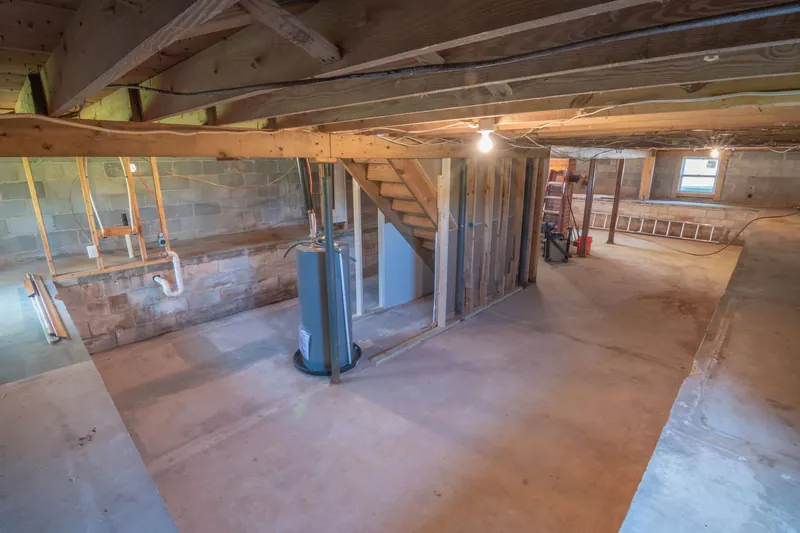
Sewer backup cleanup addresses affected floor drains, basements and lower levels.
See sewer backup cleanupGet Category 3 black water removed from a home, apartment, rental or business in Freedom Village. Sewage cleanup includes contaminated material removal, cleaning, disinfection, odor control and structural drying.
The work removes Category 3 black water and material contaminated by raw sewage. It then covers thorough cleaning, structural drying, disinfection and treatment for odor.
Sewage may come from an outside spill, a damaged sewer line, or a backup at a toilet, floor drain or shower. Human waste, bacteria, bodily fluids and other dangerous materials may be present. Water in plain view can be just one part of the damage. It can reach neighboring rooms and travel below flooring or behind baseboards.
Contamination is addressed by sewage cleaning after no more wastewater is entering. The steps can involve removing water and porous items, washing surfaces, measuring moisture, drying and keeping an EPA-registered disinfectant in place through the label's entire contact time. A plumber corrects a blocked or damaged pipe. The cleaning and drying of affected materials comes afterward.
Personal property is grouped according to what items are made of and how sewage affected them, separating cleanable possessions from those unsafe to retain.
Before the cleanup process proceeds, you learn which water and materials require extraction, cleaning, removal, drying or documentation.
Calls are answered day and night. Share the sewage source, affected areas and any immediate hazards. Crews can come in unmarked vehicles.
Photos, moisture records and an itemized scope can be organized for insurance companies, property owners and managers.
Contamination left by wastewater inside a building, beneath it or outdoors can call for professional sewage cleanup. Common examples are:
Sewage comes up through the tub or shower drain and reaches flooring, grout, baseboards and belongings at floor level.
A toilet overflow includes human waste or spreads from the bathroom into adjoining hallways and rooms.
Raw sewage from a broken line or overflow reaches your yard, patio or another exterior surface by the property.
A sewer or floor drain backup sends black water across finished floors, concrete, walls or property kept in storage.
Before any cleaning, focus on keeping people from exposure and preventing more wastewater entry. Start with these steps:
Call (888) 351-0904Published cost guides place many sewage cleanup projects between $2,000 and $10,000. Another published span is $1,500 to $8,000. These are planning ranges, not a fixed local price. The amount of Category 3 water, affected square footage, material removal, drying and waste disposal determine the actual scope after inspection.
The figures shown are national ranges from published cost guides and are not based on an on-site visit. An on-site assessment determines your property's price, which is explained to you before the cleanup starts.
Ask about cost: (888) 351-0904Coverage depends on the cause of the backup and the terms, limits and exclusions in your policy. Report the loss quickly, ask specifically about sewer or drain backup coverage and wait for clear instructions when conditions allow.
A standard policy may treat sewer or drain backup differently from other water losses. Find out if you purchased sewer backup coverage and whether it applies to cleaning, removal and restoration work.
Your insurance company can use photographs, disposal documentation, moisture measurements and a detailed work scope when evaluating the claim. Retain the claim number along with every message.
Payment responsibility can vary based on lease terms, the source of the failure and its location. Tell the property manager or owner about the condition and preserve your records.
If insurance does not cover the loss, the property owner usually pays for cleanup. Ask for priorities, identify work that can be postponed and learn how adjustments to the scope receive approval.
A controlled sequence guides the sewage remediation process, from separating contaminated areas and removing black water through surface cleaning and confirmation of structural drying. Every part of that process is controlled by trained technicians. There is no universal plan because the materials and spaces touched by wastewater determine the scope.
Cleanup technicians inspect the source area and surrounding areas, identify materials touched by wastewater and document the initial condition.
The work zone is kept apart from clean spaces, access is controlled and cleanup personnel wear exposure-specific protective equipment.
Pooled wastewater is removed using suitable extraction equipment, with recoverable sewage controlled to protect clean areas from further spread.
Porous items that cannot be fully cleaned, including saturated drywall, insulation, carpet and pad, are taken out of the affected area.
After cleaning the remaining nonporous surfaces, technicians apply an EPA-registered disinfectant and follow its labeled contact time in full.
Waste is contained after removal, then transported under the requirements governing the material and site. Whether the material legally counts as hazardous waste depends on the applicable rules.
Air movement, dehumidification and moisture readings guide drying after contaminated material has been removed and surfaces have been cleaned.
Checks for missed damage, odor and moisture must be completed before restoration services move forward to install flooring, insulation or drywall.
Phone any hour. You speak with a raw sewage cleanup specialist who outlines the process and schedules a start time with you.
Treat any large or expanding raw sewage backup as contaminated water, not a routine household spill. Contact may expose you to harmful microorganisms and contaminated belongings, while moisture can remain hidden.
Sewage may spread under floors, penetrate insulation and enter cavities inside walls. Odor and moisture may remain in your structure when contaminated materials are left behind.
Category 3 black water includes sewage. Affected materials require a cleaning process focused on contamination, not ordinary water removal or mopping.
The EPA says mold can begin growing on wet materials within 24 to 48 hours. Extraction is only part of cleanup. The cleaned structure also needs controlled drying and moisture checks.
Can you clean it yourself? You may be able to manage a very small release on a sound exterior hard surface, but only after the source stops and if you can avoid electrical danger, exposure and runoff. Do not mix cleaning chemicals. Raw sewage that soaks porous materials, travels inside, reaches a crawl space or lacks clear limits calls for professional sewage cleanup. Do not enter while crews limit exposure and finish the cleanup.
An item that is non-porous can sometimes remain if all exposed sides are accessible for cleaning and disinfection. Raw sewage can soak beneath the surface of porous material, so affected porous items often must be taken out.
The safe length of a sewage cleanup varies by the situation. Extraction, removal, cleaning and drying all must be completed, and restoration cannot move forward until supported by moisture measurements and a final check of the space.
| Scene | Typical time on site |
|---|---|
| Limited hard-surface sewage spill | Assessment, extraction and cleaning come first |
| Sewage backup with porous material | Material removal and drying extend the timeline |
| Sewage damage in several rooms or a crawl space | Drying needs, access limits and the spread determine timing |
To remove sewage odor, first stop its source and take away the wastewater along with contaminated porous items. Bleach, added fragrance and air fresheners do not fix sewage beneath a floor, within drywall or absorbed by damp belongings.
Following removal and cleaning, structural moisture can be lowered with drying equipment. HEPA air filtration may also help manage particles produced by the cleanup. Continued odor can signal that material is still damp, contamination was missed or the plumbing source remains. A final check needs to identify why the smell remains instead of disguising it.
The full raw sewage cleanup guide covers what is cleaned or removed, odor and air quality work, and the rules that apply in your state.
Read the full raw sewage cleanup guideLocal housing, population and access details can shape containment, access and cleanup planning.
This community is listed about 5.9 miles from Ascension Wisconsin Hosp Menomonee Falls Campus, a relevant distance when prompt evaluation follows a biohazard exposure.
The nearby places of Whispering Hills, Granville Woods, and Servite Woods give useful orientation when arranging equipment delivery and waste pickup.
Properties within this Milwaukee neighborhood may share alleys, entries, or parking, so equipment movement should be planned around nearby residents.
Ask on the call about cleanup options for neighboring communities and ZIP codes.
Sewer backup cleanup addresses affected floor drains, basements and lower levels.
See sewer backup cleanup
Soaked insulation and affected soil are included in crawl space sewage cleanup.
See crawl space sewage cleanup
Human feces cleanup and disinfection in homes, rentals and public restrooms.
See human feces cleanup
Removal and disinfection of blood, body fluids and other infectious material from any property.
See biohazard cleanup
Biological remediation removes contamination so the space can be safely used again.
See biohazard remediation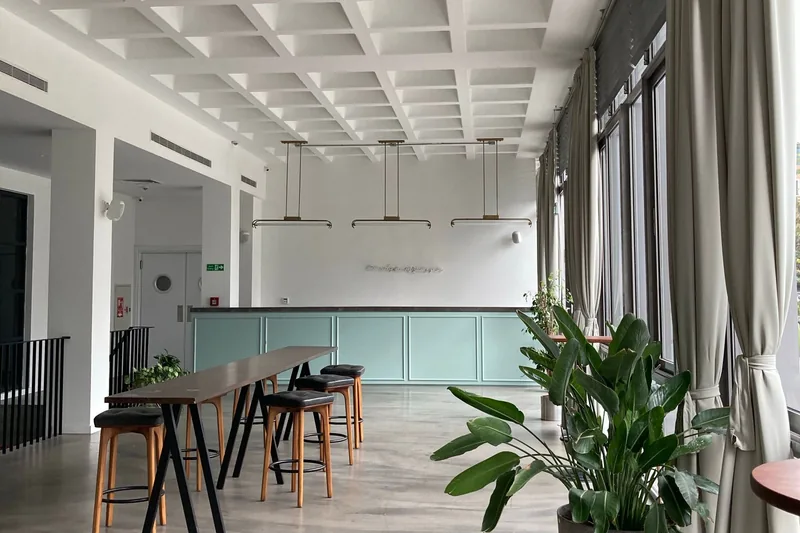
Planning for industrial and commercial biohazard cleanup considers operations and access to the site.
See commercial and industrial biohazard cleanup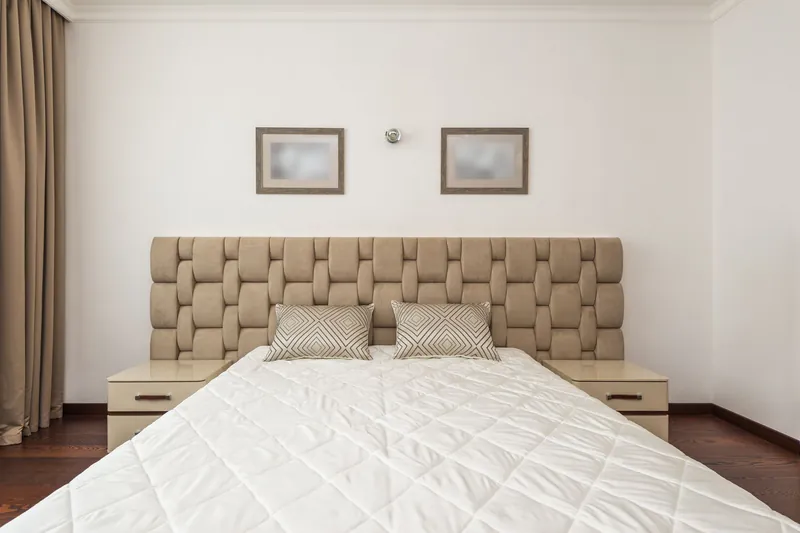
Rental property biohazard cleanup covers hotels and Airbnb units as well as rentals.
See hotel, airbnb and rental biohazard cleanup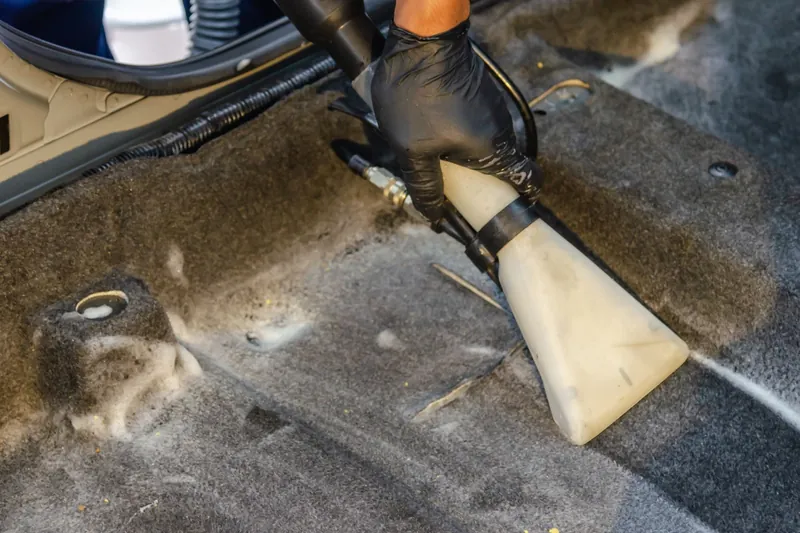
Biohazard carpet and upholstery cleaning, or safe removal when needed.
See biohazard carpet and upholstery cleaningThe usual role of a plumber is finding and correcting the failed fixture, pipe break or blockage behind the backup. Contamination that remains in your building requires sewage cleanup services. Confirm who is responsible for each stage, including the plumbing fix, wastewater removal, material disposal, disinfection and drying.
After correcting the cause, crews restrict entry and remove waste that remains pooled in the crawl space. Disposal may be necessary for affected insulation and additional absorbent materials. Accessible materials receive cleaning and disinfection before crawl space drying and a check for residual moisture. Soil, limited access and hidden plumbing can change the work plan.
It depends on the source and your policy. Coverage for a sewer or drain backup might need its own endorsement and may include exclusions or limits. Report the event, ask whether cleanup and restoration are covered, record the claim number and confirm what documentation the adjuster wants before damaged material is discarded.
Have a plumbing specialist correct the source. Then arrange contaminated water extraction, affected material removal, disinfection and drying through a sewage cleanup company. When water may have reached electrical equipment, stay out. Before anyone enters, contact the appropriate utility or a qualified electrician about the hazard.
There is no single timetable that applies to every person or exposure. Avoid contact and wash exposed skin with soap and clean water. Seek guidance for your circumstances from poison control or a medical professional if you swallowed wastewater, got it in your eyes, exposed broken skin or developed symptoms.
Start by stopping the source, keeping pets and people clear, and containing sewage before it enters clean places or stormwater drains. The right response depends on the amount, surface, drainage and local requirements. A large spill, repeated overflow or sewage close to structures and public places requires professional sewage removal along with guidance from the relevant local authority.
You can request respectful, discreet raw sewage cleanup 24 hours a day, and crews use unmarked vehicles.