Fentanyl Decontamination
After fentanyl exposure, decontamination addresses rooms, vehicles and other surfaces.
See fentanyl decontaminationGet meth residue testing, decontamination, material removal and clearance steps for a home, rental, business or vehicle in Newburg. Keep people out of affected areas until the property has been assessed.
When drug-production chemicals or methamphetamine residue contaminate a vehicle, business, rental or home, meth lab cleanup covers the necessary testing, cleaning and removal.
A clean appearance does not rule out contamination. Smoke produced by meth use can leave residue on floors, personal property, cabinets, walls, appliances and ceilings. Acids, fuels, unknown chemical mixtures, salts and solvents can be found at a production location. A careful assessment of these hazards must happen before ordinary cleaning starts or anyone shifts a container.
Biohazard remediation needs to reflect both the property's testing results and the rules at its location. The affected zone is isolated by cleanup technicians using protective equipment. Uncleanable material comes out, while surfaces left in place are washed and the air system receives attention as needed. Post-remediation sampling shows if the applicable clearance level has been met in the tested areas.
Separated work areas and unaffected travel routes help prevent contaminated materials, equipment and dust from moving around your property.
Evaluating each possession's material and state helps you understand which items can undergo cleaning and which could require disposal.
A written plan gives you the testing basis, affected areas, cleaning methods, removal decisions and clearance steps before remediation starts.
The cleaning service should maintain an orderly record of photos, job scope, waste disposal and testing, helping you move forward following clearance.
Meth decontamination cleaning services are needed when testing or reliable property history points to residue from use or production. Every situation starts with the property history and testing results. Common situations include:
A property used to produce meth may retain chemical substances, staining and residue across several rooms after its release by law enforcement.
A landlord or property manager learns of suspected drug activity after a tenant leaves and needs testing before repairs or a new tenancy.
Unseen residue from repeated smoking remains on household contents, cabinets, ceilings, floors and walls.
Work pauses when contractors encounter unusual containers, evidence of chemical staining or an old notice, before contaminated dust can spread.
Your first job is to prevent exposure and keep residue from moving. Take these steps before professional cleanup begins:
Call (888) 351-0904According to published PushLeads cost data, the broad range for meth lab cleanup begins at $5,000 and extends through $120,000 while the typical average sits between $15,000 and $20,000. Such a wide span reflects the difference between ongoing smoking in one space and chemical manufacture across the property. Local clearance rules, testing, air-system treatment and material removal further shape the final scope.
These national ranges are taken from published cost guides, rather than a property visit. The price for your property is set after the on-site assessment, and you hear it before work starts.
Ask about cost: (888) 351-0904Meth contamination may or may not receive insurance coverage based on the policy and cause. Exclusions can apply to contamination, pollution, vacancy or a criminal act. Notify the insurance company, ask which assistance may be available and obtain its written decision about coverage before you authorize non-emergency work.
Tell the insurance company how the contamination was discovered. Ask about testing, remediation, removed building materials and loss-of-use coverage.
Maintain a single file containing the police release, test results, images, remediation scope, disposal paperwork, invoices and clearance report.
Property owners will usually arrange assessment and decontamination at a rental. Cost recovery involving a tenant remains distinct from the work needed to make the building safe.
Law enforcement may secure evidence and then release the scene, while owners generally arrange the later environmental testing and remediation.
Meth lab cleaning proceeds through a deliberate series of stages. The assessment and testing plan for the property guide every stage, along with the clearance requirements in effect at its location.
Before work begins, ask cleanup technicians how they will assess contamination routes, the property's ventilation and room layout, any visible hazards, its police release and history.
Surface samples help identify affected areas and establish a baseline. Local requirements should determine both sampling technique and placement.
The cleanup document explains how to contain the area, what to remove or clean, how contents are treated and which clearance steps finish the work.
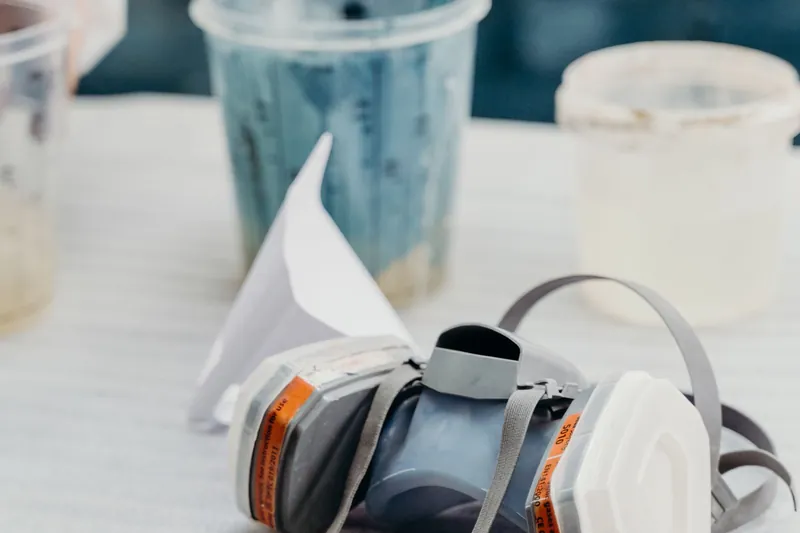
The affected workspace is contained away from clean areas. Protective gear for cleanup technicians must match the dust, chemical risks and residue discovered at the property.
Insulation, damaged building materials, carpet, padding or soft furnishings may be removed for waste disposal when cleaning cannot meet the required level.
Crews follow an orderly process and select suitable techniques for every remaining floor, cabinet, wall, fitting and ceiling surface.
Inspect the air system apart from belongings that can be moved. Each item's condition and sampling findings guide the choice to clean, isolate or discard it.
Once cleanup ends and sampling can begin, clearance results show if more remediation is required before anyone occupies the space.
You can call anytime. You speak with a meth lab cleanup specialist who outlines the process and schedules a start time with you.
A former meth property can present serious health risks through contaminated dust, direct skin contact or chemicals left behind from production, even when no strong odor is present.
Pre-test demolition of drywall or carpet can spread dusty residue onto work tools, garments and uncontaminated parts of the building.
Pets and children frequently contact objects and floors. Excluding them from the affected area limits contact until testing and remediation are complete.
Contamination may collect on flooring, counters, toys, walls and other items people touch often. Ordinary appearance does not show whether a surface meets a clearance level.
Can you clean it yourself? Never approach possible meth residue like an ordinary minor spill at home. You cannot use domestic cleaners to measure residue movement or verify that a surface passes the local clearance standard. The safer approach starts with tests and a plan specific to meth remediation.
Only materials approved for cleaning under the remediation plan are retained, and the area after remediation must be able to complete the required clearance process.
Clearance standards and rules vary across state and local jurisdictions. Ask the health, environmental or building authority which standard applies before cleanup begins.
Testing plans, lab methods and clearance records may have to comply with locally established procedures. Officials, tenants, owners and prospective buyers may request the records, so preserve them.
Do not automatically place unknown chemicals or contaminated debris in household trash. Local regulations and site findings guide both disposal and waste classification.
Manage needles or infectious waste apart from any associated drug-related materials. (Wisconsin calls it infectious waste, and items saturated with human blood or body fluids are treated as infectious. The Department of Natural Resources rules control storage, transport and treatment, so it cannot go in household trash.)
A limited-area meth lab cleanup may require several workdays, while remediation at a larger production location can last several weeks. Room count alone does not set the timing. Clearance sampling, laboratory turnaround, repeated rounds of cleaning and material removal have greater influence.
The full meth lab cleanup guide covers what is cleaned or removed, odor and air quality work, and the rules that apply in Wisconsin and Washington County.
Read the full meth lab cleanup guidePlanning for access, containment and cleanup can depend on local population, housing and entry conditions.
A local renter share of 22.4% means many properties may have one owner making decisions about access, drying, and material removal.
In housing built around 1983, a moisture check can help define how far sewage or cleaning water traveled.
With 23.6% of seniors living alone, private cleanup communication may need to include a relative who lives somewhere else.
Single-family homes make up 76.8% of housing in Newburg, so cleanup often centers on one household and its private living areas.
Your phone conversation can include questions about service in nearby ZIP codes and communities.
After fentanyl exposure, decontamination addresses rooms, vehicles and other surfaces.
See fentanyl decontamination
Removal of needles, pipes and drug residue from rentals and properties.
See drug paraphernalia cleanup
Cleanup of a grow house addresses mold, chemicals and harm caused by indoor cultivation.
See marijuana grow house cleanup
Hazmat cleanup uses suitable protective equipment when addressing hazardous materials.
See hazmat cleanup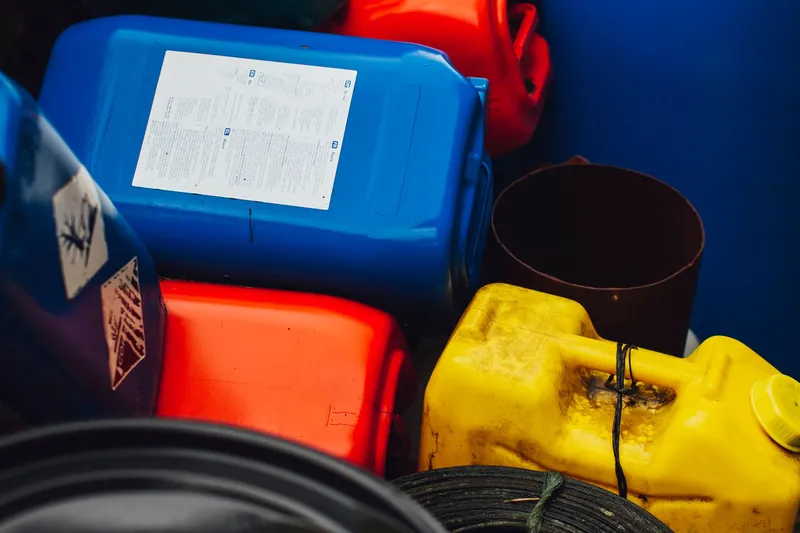
Toxic and chemical waste cleanup includes safe disposal.
See chemical and toxic waste cleanup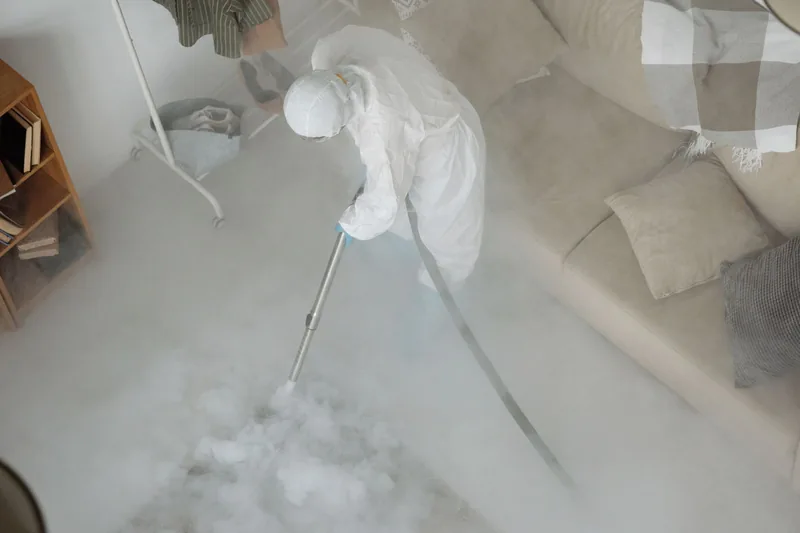
Rooms, surfaces and air receive complete decontamination following infectious or hazardous exposure.
See biohazard decontamination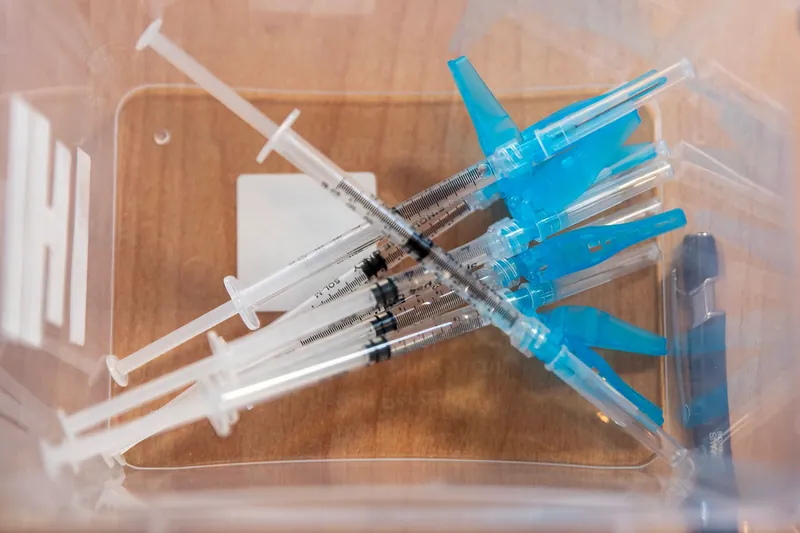
Yards, encampments, parks and rental properties receive needle and sharps cleanup.
See needle and sharps cleanup
Biohazard cleanup for hotels, Airbnb units and rental properties.
See hotel, airbnb and rental biohazard cleanupA controlled remediation process addresses a meth lab property affected by meth residue or manufacturing chemicals. Cleanup involves assessment, testing, controlled work zones, removal where cleaning is not possible, surface decontamination and final clearance samples under relevant rules.
Material type, condition, value and residue level should guide an individual assessment of each belonging. Certain hard belongings may be suitable for washing. Absorbent belongings such as books, carpeting and upholstered furniture may resist effective remediation. The work plan should explain which items are isolated, cleaned, tested or discarded.
Whether coverage applies varies with your policy, the cause and exclusions involving contamination, pollution, vacancy or illegal acts. Contact the insurance company with details of the discovery and ask about coverage for clearance sampling, temporary housing, removed materials, testing and remediation.
PushLeads states a broad $5,000 to $120,000 range and says the typical average is $15,000 to $20,000. Cost depends on the property's size, smoking versus production, HVAC contamination, testing, material removal and required rounds of cleaning or clearance.
You should not judge readiness from how the building looks and smells. People should return only according to applicable local requirements and documented guidance from the relevant public or environmental authority. Post-remediation sampling creates objective evidence and shows whether more cleaning is needed.
Manufacturing substances occasionally leave strong solvent odors, yet smell cannot independently verify meth residue or show that the property cleared. No obvious smell does not mean the property lacks contamination. Avoid containers and leave the area when chemical smells are intense, then follow surface test results and the governing standard.
Respectful, discreet meth lab cleanup is available 24 hours a day, and crews arrive in unmarked vehicles.